My name is Nima, and I am a tennis trainer with many years of experience teaching beginners how to play tennis correctly. I work on court every week with players who are starting from zero, and I know exactly where beginners struggle and what they need to learn first.
This guide explains how to play tennis for beginners step by step, based on real coaching experience. I don’t just explain what tennis is, but how you should actually learn it if you want to improve faster and enjoy the game long-term.
How to Hold a Tennis Racket Correctly
From my experience as a tennis trainer, the tennis grip is the foundation of everything you do on the court. If your grip is wrong, your forehand, backhand, serve, and volley will never feel stable or controlled. I have seen many beginners struggle for months simply because nobody corrected their grip early.
Why the Tennis Grip Is So Important
A correct tennis grip allows the racket to move naturally through the ball. It also helps protect your wrist, arm, and elbow from unnecessary stress and common injuries such as tennis elbow. This is why, when beginners ask me how to play tennis correctly, I always start with grip fundamentals before teaching any strokes.
When the grip is right, timing improves, control increases, and confidence grows quickly. Without a proper grip, even good technique will feel uncomfortable and unreliable.
The Best Grip for Beginners
For beginners, I usually recommend starting with the continental grip or the eastern forehand grip. These grips are simple, comfortable, and very versatile. They allow beginners to hit many shots without constantly changing their hand position, which makes learning tennis much easier.
I often explain the correct grip using the handshake method. Imagine you are shaking hands with the racket handle. The grip should feel natural and relaxed, not forced or tight. When beginners find this position, they immediately feel more control and stability.
Using the right grip helps beginners produce cleaner shots, better topspin, and more consistency during rallies. Confidence improves quickly when the racket feels comfortable in the hand.
Common Grip Mistakes I See on Court
The most common grip mistake I see on court is holding the racket too tightly. A tight grip creates tension in the arm and wrist, which reduces control and increases the risk of injury. Tennis is a sport of timing and feel, not strength.
Another mistake beginners make is changing grips constantly without understanding why. This often happens when players copy advanced techniques too early. I always advise my students to master one basic grip first before learning more advanced grip changes later.
By focusing on a relaxed grip and avoiding these common mistakes, beginners can improve faster and enjoy tennis much more.
Basic Tennis Rules Every Beginner Must Know
Understanding Tennis Scoring
One of the first things beginners ask me about is tennis scoring, because it looks confusing at first. Tennis uses points, games, and sets, and the point system is different from most other sports. Points are counted as love (0), 15, 30, 40, and then game. When both players reach 40, the score is called deuce.
I explain this in much more detail in my article Tennis Scoring Explained, where I break down points, games, sets, and tiebreaks step by step.
From deuce, a player must win two points in a row to win the game. This system feels strange in the beginning, but after playing a few games, it becomes very natural. I always tell beginners not to overthink the score during play.
Understanding basic tennis scoring helps you stay calm and focused. Once you know how the points work, you can concentrate on playing the ball instead of worrying about numbers.
Basic Serving and Court Rules
The serve always starts the point and must be hit diagonally into the opposite service box. As the server, you get two chances to make a legal serve. If the ball touches the line, it is still considered in, which is important for beginners to know.
Many beginners rush the serve or try to hit it too hard. From my coaching experience, this creates unnecessary mistakes and frustration. I always recommend focusing on control, rhythm, and accuracy first.
A reliable serve that goes in consistently is far more valuable than a fast serve that misses. Once beginners feel confident starting the point, the entire game becomes more relaxed and enjoyable.
What Is a Rally in Tennis?
A rally in tennis is when players hit the ball back and forth over the net continuously without stopping the point. Rallies are the foundation of tennis and one of the most important learning tools for beginners. Almost all real improvement in tennis happens during rallies, not during isolated shots.
From my experience as a tennis trainer, rallying teaches beginners how the game actually flows. It helps players understand timing, spacing, and rhythm, which are essential skills on the court. When someone asks me how to play tennis correctly, I always explain that learning to rally consistently is far more important than trying to hit powerful shots.
When beginners understand rallying, they stop trying to finish points too quickly. This mindset change alone reduces many unforced errors and makes tennis feel less frustrating and more enjoyable.
Why Rallying Is So Important for Beginners
From my coaching experience, beginners who focus on rallying improve much faster than those who only practice individual shots. Rallying teaches timing, footwork, ball control, and patience all at the same time. These are skills that cannot be learned by hitting one ball at a time.
Rallying also builds confidence. When beginners realize they can keep the ball in play, they relax and trust their technique more. This confidence carries over into matches and training sessions.
Longer rallies lead to better consistency. That consistency later turns into better decision-making and stronger match results as players progress.
How I Teach Beginners to Rally
When I teach beginners how to rally, I always start close to the net or from the service line. This short distance makes ball control easier and allows players to experience success quickly. Confidence is very important in the early stages of learning tennis.
As players improve their control and timing, we slowly move back toward the baseline. This gradual progression helps beginners adapt without feeling overwhelmed. I also focus on relaxed swings and good positioning rather than speed or power.
By building rallies step by step, beginners develop solid fundamentals and enjoy the learning process much more.
How to play Forehand for Beginners
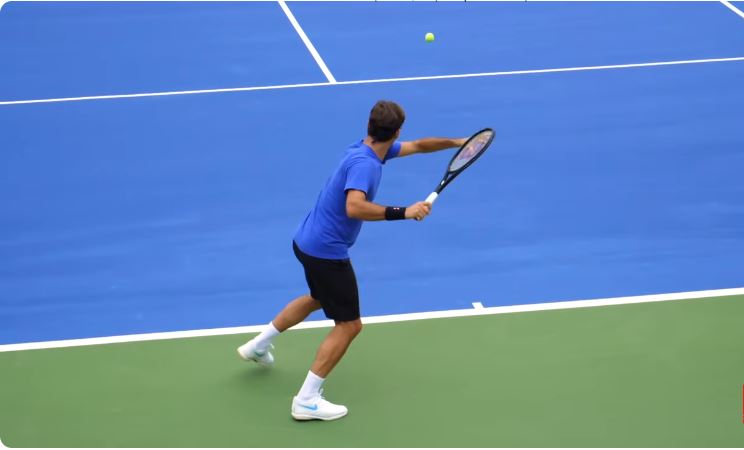
The forehand is usually the most natural and comfortable shot for beginners. From my experience as a tennis trainer, good forehand technique always starts with early preparation and proper shoulder rotation. This means you should turn your upper body and bring the racket back before the ball reaches you, not after.
Forehand Preparation
Early preparation gives you more time to react and helps you stay balanced during the shot. When beginners prepare late, they feel rushed and lose control. Simply preparing earlier already fixes many common beginner mistakes.
Whenever I teach beginners how to play tennis, I emphasize that preparation is more important than swing speed. A well-prepared forehand feels smoother, more controlled, and far more consistent.
Forehand Swing Path and Follow-Through
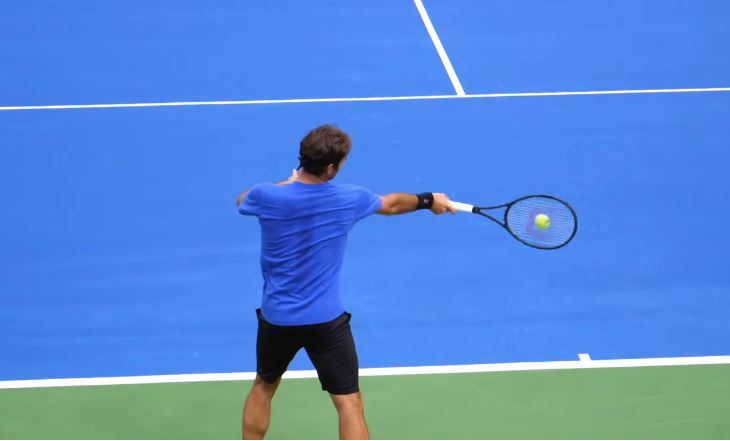
A correct forehand uses a low-to-high swing path, which helps generate topspin and keeps the ball inside the court. The racket should move smoothly through the ball, not straight forward or downward. This upward motion allows you to clear the net safely and control the shot.
The follow-through should be relaxed and finish high, with the racket ending above shoulder level. A complete follow-through shows that the swing was smooth and controlled. Tension usually causes short, broken swings and mistakes.
When beginners ask me how to play forehand correctly, I always tell them to swing smoothly, not aggressively. Control and rhythm come first — power develops naturally later.
Common Forehand Mistakes
One of the most common forehand mistakes I see is watching where the ball goes instead of watching the ball itself. When players lift their head too early, contact becomes late and inconsistent. Keeping your eyes on the ball until contact immediately improves timing and accuracy.
Another common mistake is trying to hit the forehand too hard. Beginners often believe power is the goal, but this leads to errors and frustration. A relaxed, controlled forehand is far more effective.
By focusing on preparation, smooth swing path, and proper follow-through, beginners can build a reliable forehand that feels confident and consistent.
How to play backhand for Beginners
One-Handed vs Two-Handed Backhand
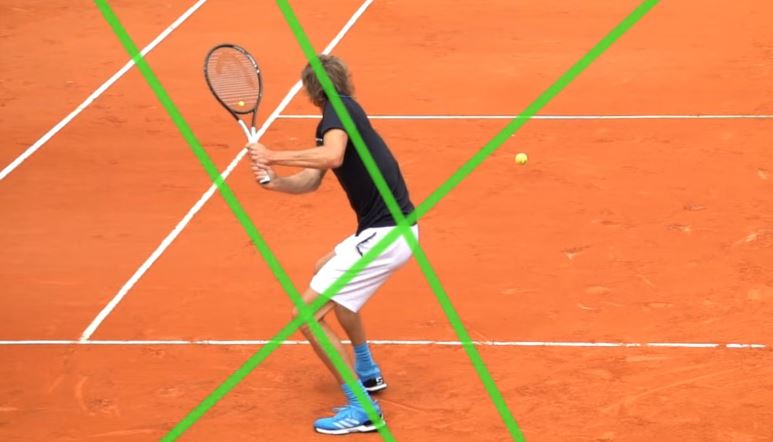
For most beginners, I strongly recommend learning the two-handed backhand first. From my coaching experience, using two hands provides more stability, better control, and more confidence, especially when timing is not perfect. Beginners feel safer and more balanced when both hands help guide the racket through the shot.
The two-handed backhand also makes it easier to generate controlled power without forcing the swing. This allows beginners to focus on technique rather than strength, which is essential when learning the basics. When I teach beginners how to play tennis, I always introduce the two-handed backhand before any advanced variations.
The one-handed backhand can be learned later once the fundamentals are solid. It requires more timing, coordination, and strength, so it is better suited for players with more experience.
Footwork on the Backhand Side
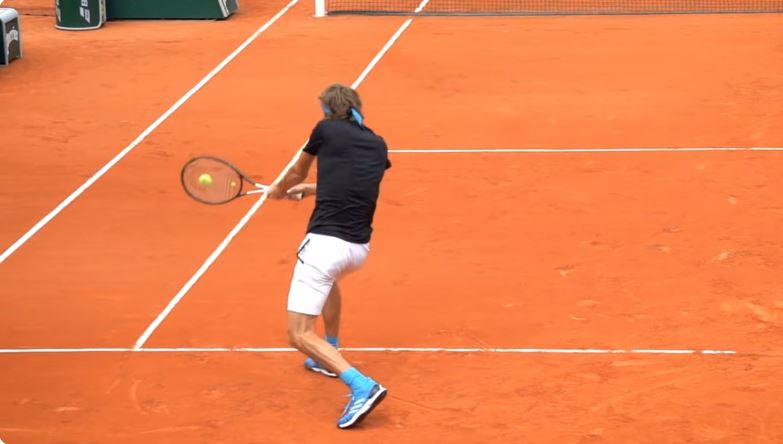
Poor footwork is the biggest reason beginners struggle with the backhand. Many players focus only on the racket and forget that every good shot starts with proper movement. Small adjustment steps help you position your body correctly before you swing.
Good footwork allows you to stay balanced and hit the ball at the right distance. When your positioning is correct, the backhand feels smoother and more controlled. Without good footwork, even correct technique becomes difficult.
During training, I constantly remind my players to move their feet before swinging. This habit alone improves timing, control, and consistency on the backhand side.
Building a Consistent Backhand
To build a reliable backhand, beginners should focus on a compact swing and a relaxed grip. Big, fast swings usually create errors and tension. A shorter, controlled swing helps keep the ball in play and builds confidence.
Power is not important at the beginning. Consistency and control matter much more when developing a solid backhand. When beginners trust their backhand, they stop avoiding it and play more balanced tennis.
A consistent backhand removes fear, improves rally quality, and strengthens your overall game.
What Is Topspin in Tennis?
Topspin causes the ball to rotate forward as it travels through the air. Because of this forward rotation, the ball dips down faster and bounces higher after landing in the court. This allows you to hit higher over the net while still keeping the ball inside the lines.
From my experience as a tennis trainer, topspin is one of the most important concepts for beginners to understand. It gives players a safety margin and helps them control the ball instead of hitting flat shots that often go long. When beginners learn how topspin works, their shots immediately become more reliable.
Understanding topspin is a key step when learning how to play tennis correctly, because it allows you to swing freely without fear of missing the court.
How to hit topspin forehand for Beginners
When I teach topspin, I explain it in very simple terms. I tell beginners to imagine brushing up the back of the ball with the racket strings. This brushing motion creates the forward spin needed for topspin.
The swing path should move from low to high, not straight forward. Many beginners hit flat because they swing level through the ball. Focusing on the upward motion helps them feel topspin more clearly.
I also emphasize relaxed swings. Tension makes it difficult to create spin, while a smooth, flowing motion produces better results.
Why Topspin Is Essential for Beginners
Topspin increases consistency and reduces unforced errors. With topspin, players can hit the ball higher over the net and still keep it inside the court. This makes rallies longer and more enjoyable.
Once beginners learn topspin, their confidence improves instantly. They stop playing with fear and start trusting their technique. Topspin turns tennis into a more controlled and enjoyable game.
What Is Backspin / Slice in Tennis?
Slice, also called backspin, creates a backward rotation on the ball as it travels over the net. Because of this backward spin, the ball moves slower through the air and stays low after the bounce. This makes it much more difficult for opponents to attack aggressively.
From my experience as a tennis trainer, slice is especially useful for beginners because it gives them more control and more time. The slower pace of the ball allows players to recover their position and stay in the rally. When beginners understand slice, they gain an important tool for controlling points and learning how to play tennis with confidence and patience.
Slice is not just a defensive shot — it is a smart tactical option that adds variety to your game.
When to Use Slice During Play
I usually teach slice when players need more control or extra time during a rally. Slice is excellent for defensive situations, especially when you are stretched wide or late to the ball. It helps slow the game down and resets the point.
Slice is also very effective for changing rhythm. When rallies become fast and uncomfortable, a slice shot can break the tempo and force the opponent to adjust. This is especially helpful when you are under pressure and need a safer option.
Knowing when to use slice makes tennis feel more manageable and strategic.
how to play Slice in tennis
To hit a slice correctly, the racket moves from high to low with a relaxed grip. The motion should feel smooth and controlled, not forced. The racket face stays slightly open to create the backward spin.
Tension is the biggest enemy of a good slice shot. A tight grip or stiff arm makes the ball float and lose control. When the grip is relaxed and the movement is calm, slice becomes a reliable and effective shot.
How to Serve in Tennis for Beginners
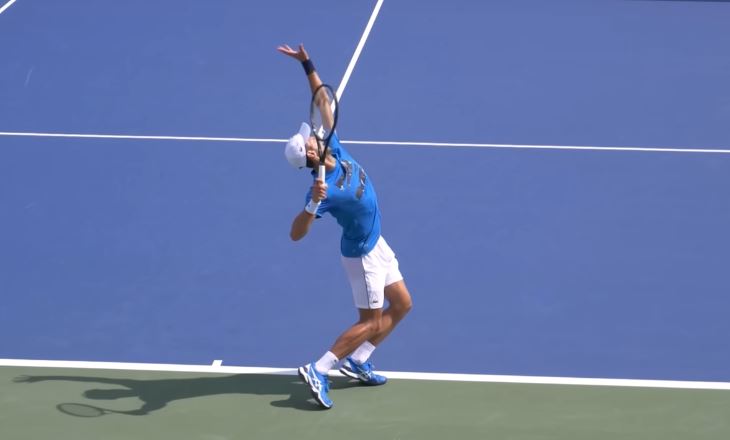
Why the tennis Serve Is So Important
Every point in tennis starts with the serve, which makes it one of the most important shots in the game. From my experience as a tennis trainer, a reliable serve gives beginners confidence before the rally even begins. When players trust their serve, they feel more relaxed and focused.
Beginners should always focus on consistency first, not speed. A serve that goes in regularly puts far less pressure on the rest of the game. When someone is learning how to play tennis, the goal of the serve is simply to start the point calmly and correctly.
A good serve reduces stress during matches. Instead of worrying about double faults, players can concentrate on positioning and rallying.
Serve Technique Step by Step
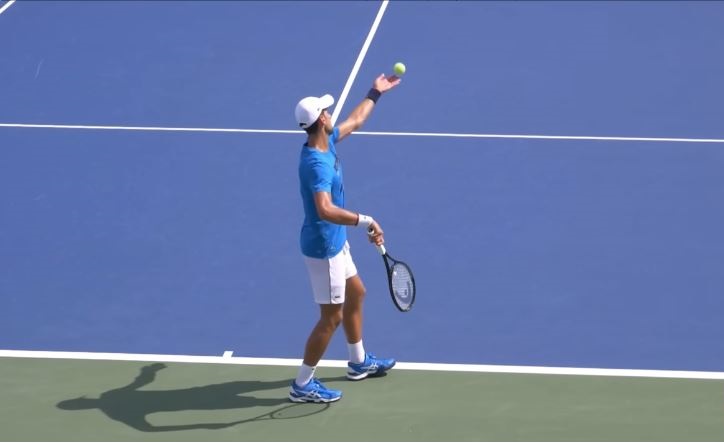
A correct serve is built from several parts working together: grip, stance, toss, swing, and follow-through. If one part is wrong, the entire serve becomes inconsistent. Among all these elements, the ball toss is the most important.
A bad toss makes even a good swing useless. That’s why I spend a lot of time helping beginners improve their toss. It should be controlled, consistent, and placed slightly in front of the body.
When the toss is stable, the rest of the serve becomes much easier. Rhythm improves, timing feels natural, and confidence increases.
Common Beginner Serve Mistakes
One of the most common mistakes beginners make is rushing the serve. Players often feel pressure and try to hit too quickly, which leads to poor timing and errors. Slowing down the motion already fixes many problems.
Another frequent mistake is trying to hit the serve too hard. Power without control causes double faults and frustration. A smooth rhythm and relaxed swing always work better, especially at the beginner level.
By focusing on calm preparation and clean technique, the serve becomes a reliable part of your game.
What Is a Volley in Tennis?

A volley is a shot hit before the ball bounces. Volleys are usually played close to the net. They help finish points quickly.
Learning volleys makes your game more complete.
Why Beginners Struggle With Volleys
Most beginners swing too much on volleys. Volleys require short, controlled movements. Big swings lead to mistakes.
I always teach players to keep the racket in front.
Key Volley Fundamentals
Bent knees, good positioning, and soft hands are essential. Volleys are about touch and control, not power. Calm movements lead to better results.
How to Hit a Volley Correctly
Forehand and Backhand Volley Technique
Forehand and backhand volleys use similar fundamentals. The main difference is racket angle. The movement should be short and stable.
Control is more important than force.
Footwork at the Net
Quick adjustment steps help you reach the ball correctly. Good footwork makes volleys much easier. Standing still causes mistakes.
Developing Touch and Feel
Soft hands allow better placement. Relaxation improves control. Touch develops with regular practice.
Common Tennis Mistakes Beginners Make
Trying to Hit Too Hard
One of the most common mistakes I see beginners make is trying to hit the ball too hard. Power without control almost always leads to errors and frustration. Many beginners believe that hitting harder means playing better, but in tennis, this is rarely true.
From my coaching experience, beginners improve much faster when they focus on placement and consistency instead of power. Keeping the ball in play puts pressure on the opponent and leads to more points won. Control always wins more points than raw strength.
Learning to swing smoothly and stay relaxed is a key part of understanding how to play tennis correctly at a beginner level.
Poor Footwork
Poor footwork is another major reason beginners struggle on the court. Standing still or reacting late makes even simple shots difficult. Tennis is a movement-based sport, and every good shot starts with proper positioning.
Better footwork allows you to reach the ball on time, stay balanced, and hit with control. Small adjustment steps before every shot make a huge difference. When players improve their movement, all strokes immediately become more consistent.
I constantly remind my students that good footwork is more important than strong strokes.
Losing Patience
Tennis rewards patience and discipline. Many beginners rush points because they want quick results, but this usually leads to mistakes. Trying to finish rallies too early creates unnecessary pressure.
Calm, patient play leads to better decision-making and longer rallies. When beginners accept that tennis is about building points, not rushing them, their game improves naturally.
Patience is one of the most valuable skills you can develop in tennis.
Final Advice from Tennis Trainer Nima
How to Improve Faster in tennis
If you want to improve faster, focus on the basics and practice regularly. Correct technique, consistency, and repetition matter more than fancy drills. Quality training is always more effective than long, unfocused sessions.
Simple exercises, done correctly, build strong fundamentals. Improvement comes from doing the right things repeatedly.
Stay Relaxed and Consistent
Tension causes mistakes and increases the risk of injury. Relaxation allows your body to move naturally and your shots to feel smoother. A calm mind leads to better timing and control.
Consistency builds confidence. When you trust your strokes, tennis becomes more enjoyable and less stressful.
Enjoy the Learning Process
Tennis is a long-term sport, and improvement takes time. Progress does not happen overnight, and that is completely normal. Every training session is part of the journey.
Enjoy learning, enjoy playing, and stay patient with yourself. When you love the process, improvement follows naturally 🎾
I also recommend reading Tennis Rules Explained if you want a full overview of how matches work.